wabi sabi
on accepting our imperfections as it is :)

i woke up this morning and prayed. called my parents. told myself — as i do most mornings, with the quiet conviction of someone who really means it — to be kind today. to be patient. to extend grace.
by evening, i had broken someone’s trust. fought with the same parents i’d called. and then, with the remaining energy i had left, turned all that unkindness inward — onto myself — with a precision i never quite manage to use on anyone else.
tuesday, by the way. this was a tuesday.
idt i’m alone in this. i think most of us have a version of this day. the friend you promised to check on and kept meaning to text. the apology you rehearsed in the shower and never actually sent. the value you hold loudly — kindness, honesty, patience — and the moment, usually quiet and unremarkable, where you didn’t live up to it. and then the specific shame of knowing you knew better.
i’ve googled “am i a bad person” more times than i’d like to admit. the results are never helpful but something about asking the question into a void feels necessary.
the fear — the one that sits in the back of my throat whenever i catch myself calling out someone else’s hypocrisy — is that i am exactly that. performative. someone who preaches one thing, does another, and has simply gotten very good at dressing it up as self-awareness. the kind of person i would absolutely clock in someone else and quietly judge.
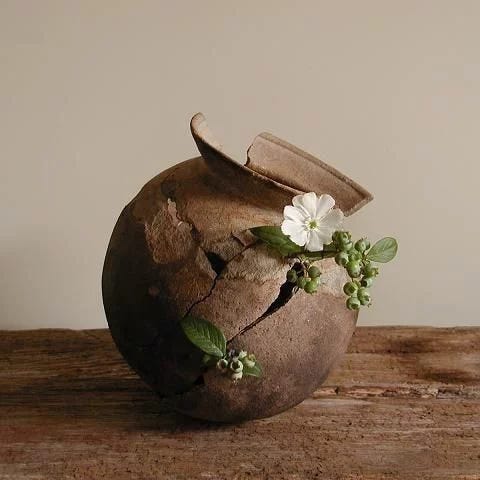
the japanese have a concept called wabi sabi. it gets misquoted a lot — usually alongside a photo of a cracked ceramic bowl and a caption about embracing imperfection. but the real idea is more uncomfortable than that. wabi sabi doesn’t say imperfection is fine, relax about it. it says the crack is not despite the beauty.
it is the beauty. the broken place is where the thing becomes real.
we get this instinctively about objects. we seek out distressed wood, vintage fabric softened by years of use, a lopsided handmade mug we’d never trade for a perfect one from a factory. the wear is the point. something that has never been used, never been tested, never been dropped — we don’t call that perfect.
we call it untouched. which is another word for unlived.
we just never apply this logic to ourselves.
here’s what i keep coming back to: what if the contradiction isn’t the failure of my character, but the proof of it?
not proof that i’m good. i’m not arguing that. but proof that i’m real. that i actually believe in kindness enough to feel the specific weight of being unkind. that i love my parents — genuinely, completely — which is exactly why fighting with them feels like something. you can only hurt the people close enough to be hurt by you. distance is easy. proximity is where the contradictions live.
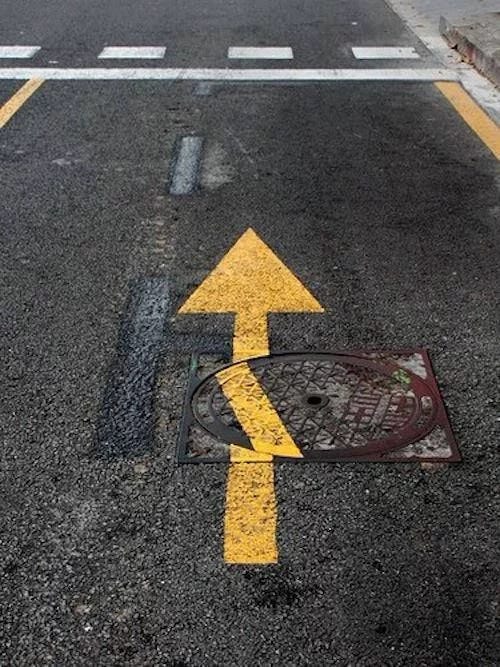
the friend you went silent on — you went silent because something in you was overwhelmed, not because you stopped caring. the apology you never sent — you rehearsed it because it mattered. the gap between who you are and who you want to be only exists because you have a real idea of who you want to be.
which is not nothing. which is, actually, the whole thing.
a person with no contradictions wouldn’t be whole. they’d be finished. sealed shut. there’d be no more story left to tell, no more room to grow in any direction. the crack is where you’re still in motion.
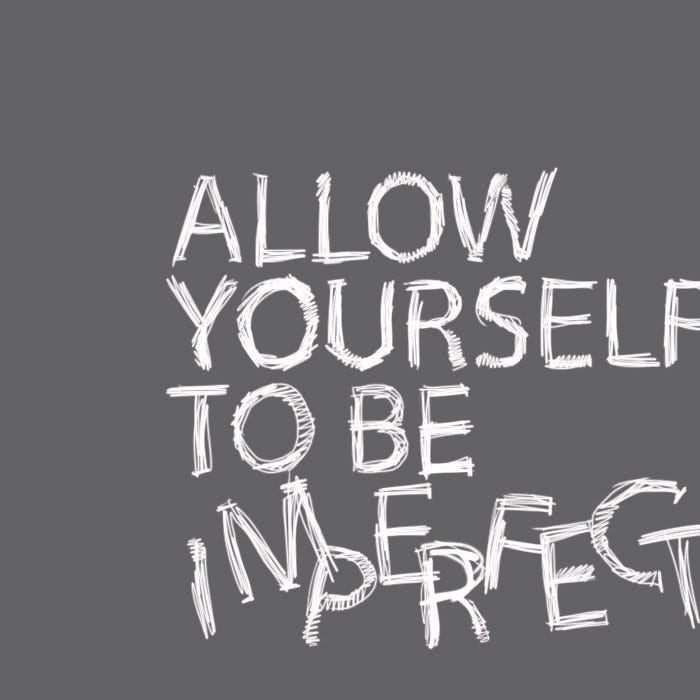
i’m not saying this to let myself — or you — off the hook. the gap still matters. the trust i broke still needs repairing. the fight with my parents still sits somewhere in my chest, the way those things do. wabi sabi isn’t an excuse. it’s a way of holding yourself clearly — seeing the flaw without letting it eat you alive, and without looking away from it either.
what i’m saying is:
the longing to be better is not a symptom of being broken.
it’s the only evidence i have that i’m not.
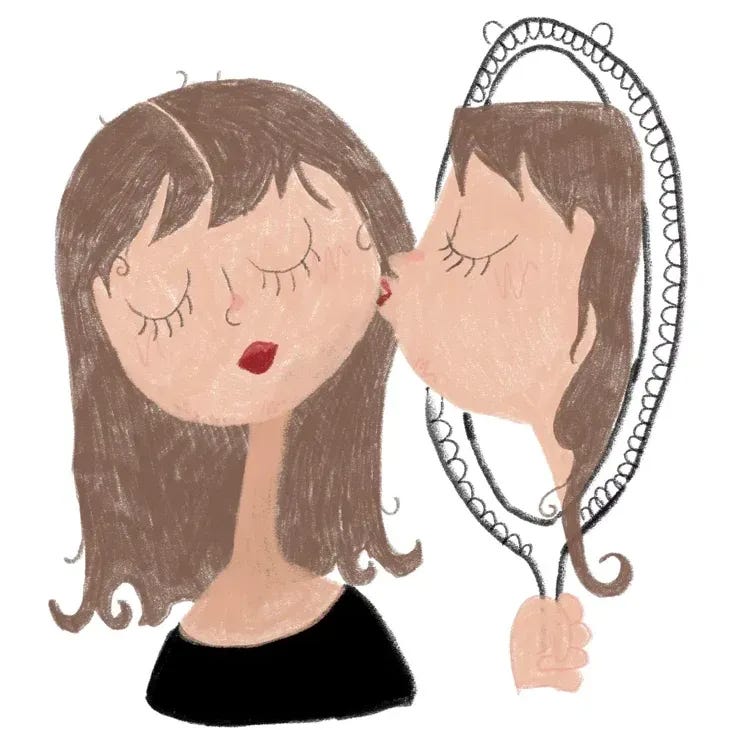
its nice how off centre human lives are at times. great read, loved it.